- To make your experiences better
Information
Here, you will be able to find the answers to frequently asked questions upon travelling to Africa. This includes: What to pack, What to expect, Seasons, weather and temperature, Transfers, Currency, Tipping/Gratitude and Landscape and Wildlife.
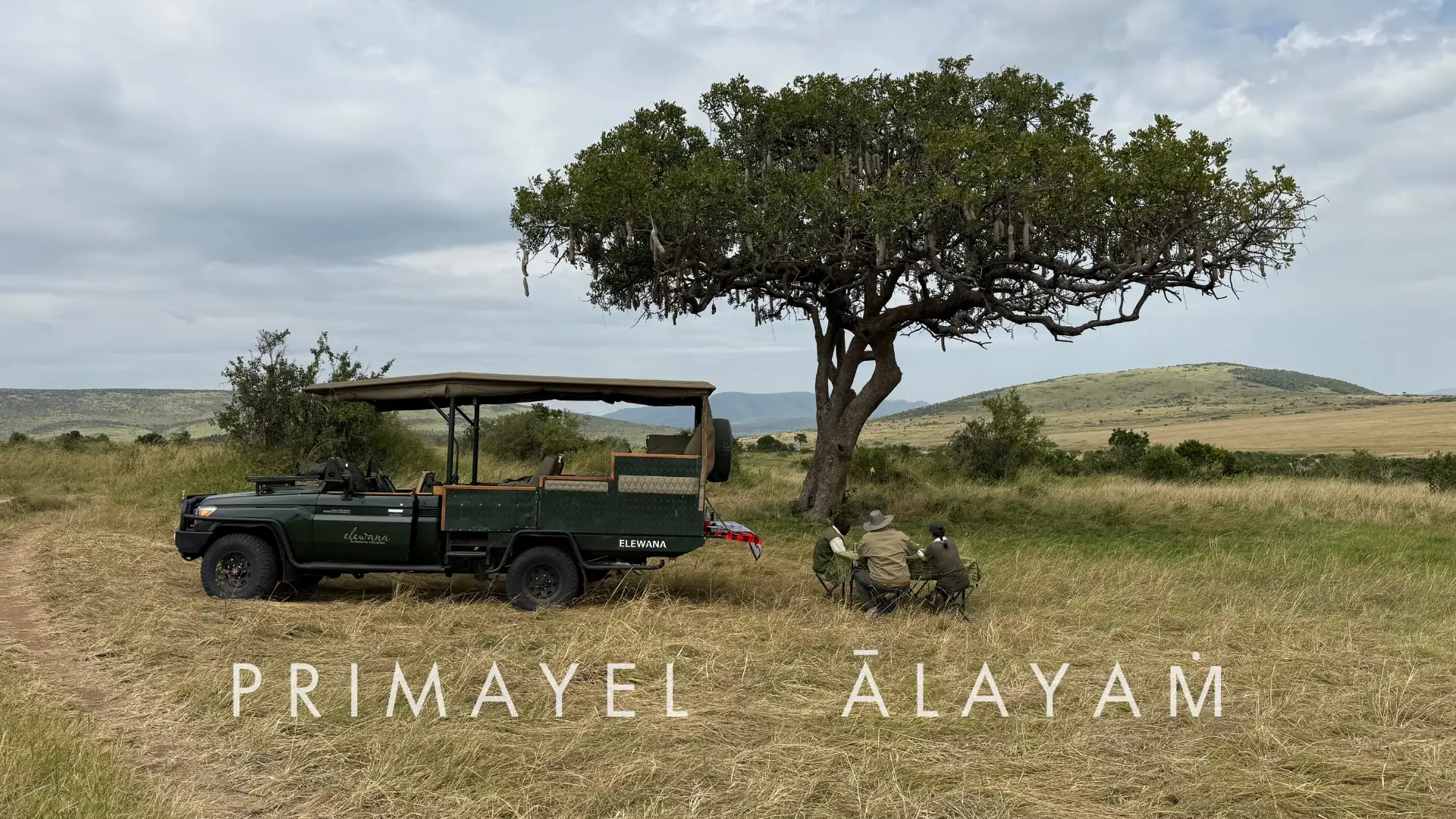
Planning a safari with Primayel Alayam? Here’s everything you need to know — from packing tips to when and where to catch the greatest wildlife spectacles on Earth.
What to pack?
Clothing: Lightweight, breathable cottons and linens are best. Think neutral tones — khaki, beige, olive — that blend with the bush. Mornings and evenings can be chilly, so bring a fleece or light jacket. A scarf or buff is handy for dusty drives.
Shoes: Comfortable, closed walking shoes for game drives and lodge strolls. Sandals or flip-flops are perfect for relaxing at camp.
Gear: A good pair of binoculars and a quality camera with spare batteries and memory cards. A small daypack for drives is useful.
Essentials: Wide-brimmed hat, sunglasses, high SPF sunscreen, insect repellent, reusable water bottle.
Luggage: Soft-sided bags are mandatory for light aircraft transfers and chartered aircrafts for airstrip transfers — hard suitcases don’t fit in the compartments.
What to expect?
Safaris are about immersion, not rush. Expect early mornings, breathtaking game drives, and magical evenings under starry skies. You’ll see animals in their natural element — lions napping in the grass, elephants crossing dusty tracks, leopards melting into the shadows.
Every day brings new surprises.
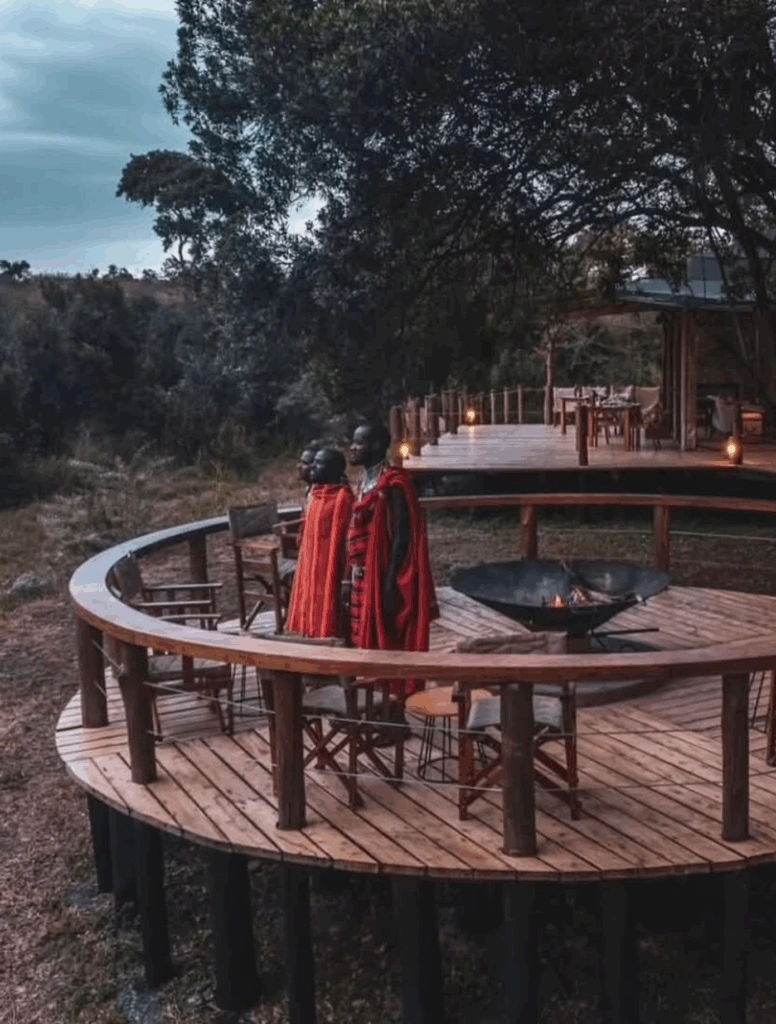
Your experience balances luxury and authenticity — elegant camps in the heart of the wild, warm hospitality, and seamless service, all designed to let nature take center stage.
Currency and Tipping/Gratitude
Most lodges and camps accept credit cards (Visa and Mastercard). However, carrying small amounts of USD or local currency is useful for tips, curios, or when traveling through towns. ATMs are available in major cities, but cash is limited in remote safari areas.
Tipping is not mandatory but always appreciated. As a guideline:
Guides & rangers: USD $10–15 per guest, per day.
Camp staff: A collective tip box is usually provided (about $5–10 per guest, per day).
Always tip what feels right for you — This is just a guideline, you can tip as much as you like.

Landscape & Wildlife | Transfers
Africa’s wild beauty is as much about the land as the animals.
Savannah Plains: Endless golden grasslands dotted with acacias, where lions laze and cheetahs scan the horizon.
Wetlands & Deltas: Living oases filled with elephants, hippos, and fish eagles.
Woodlands & Forests: Shady groves where leopards hide and colorful birds thrive.
Rivers & Waterholes: Natural gathering spots for elephants, giraffes, and thirsty predators.
Mountains & Craters: Iconic backdrops like Ngorongoro and Kilimanjaro, paired with dense wildlife.
From the Big Five to rare wild dogs and dazzling birdlife, every safari reveals both dramatic spectacles like the Great Migration and small wonders, from dung beetles to bee-eaters. Every sunrise paints a new scene, every sundown a new story
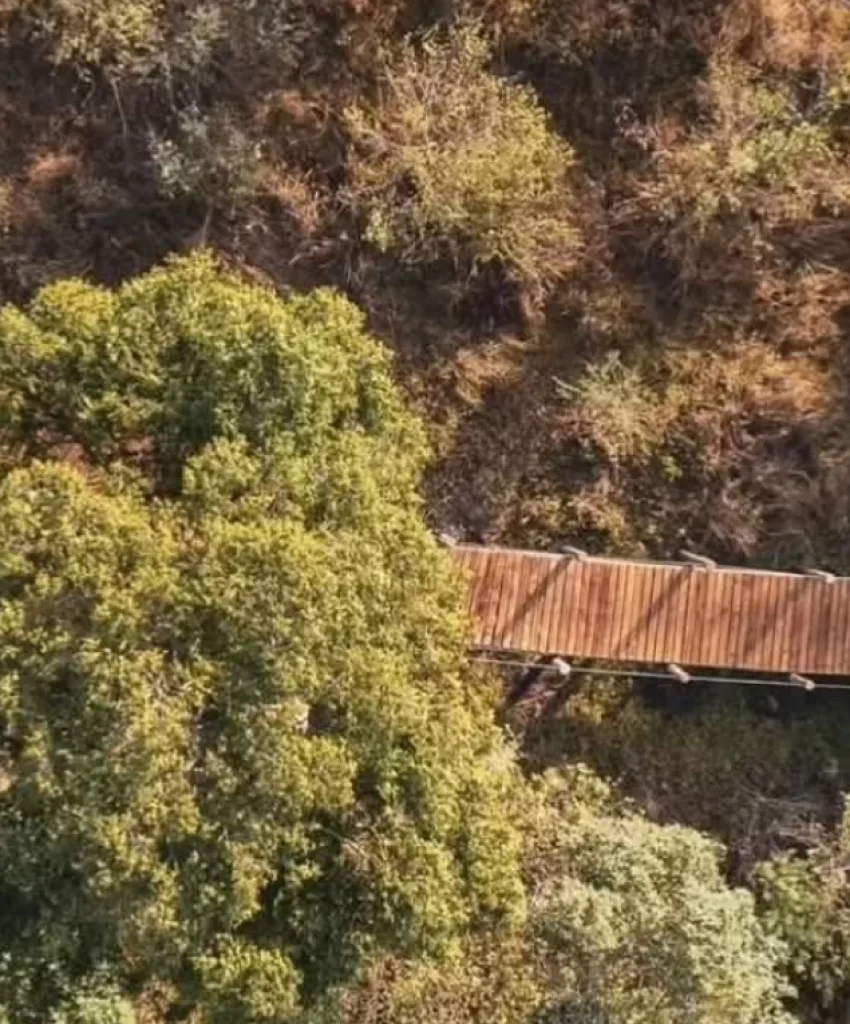
Transfers: Traveling between lodges is part of the adventure. Light aircraft flights give you bird’s-eye views of winding rivers, vast plains, and herds from above. Weight restrictions (usually 20 kg per person, including hand luggage) apply, and bags must be soft-sided to fit in small compartments. You can either get to your lodge by light aircraft from a main city or by driving on road from the city.
Seasons, Weather and Wildlife Sightings
Each month brings something unique:
Dry Season (May – October):
Weather: Cold mornings, warm afternoons, little to no rain.
Wildlife: Shrinking waterholes mean animals concentrate in predictable spots. Perfect for spotting the Big Five. Grass is low, visibility is excellent.
Highlights: Peak game viewing in Botswana, Zambia, Zimbabwe, and East Africa.
Green / Wet Season (November – April):
Weather: Afternoon showers, lush landscapes, dramatic skies. Temperatures are warmer and more humid.
Wildlife: A birder’s paradise with migratory species in abundance. Many animals give birth — baby antelopes, wildebeest calves, and playful lion cubs make for unforgettable sightings.
Highlights: Best time for photography — vibrant greenery, fewer visitors, and lower rates.
Shoulder Seasons (April & November):
A blend of both worlds: still great game viewing, fewer crowds, and landscapes in transition.
Pro Tip: There is no bad time for safari. Each season offers a different perspective — it all depends on the experience you’re seeking.
The Great Migration: Busting the Myths
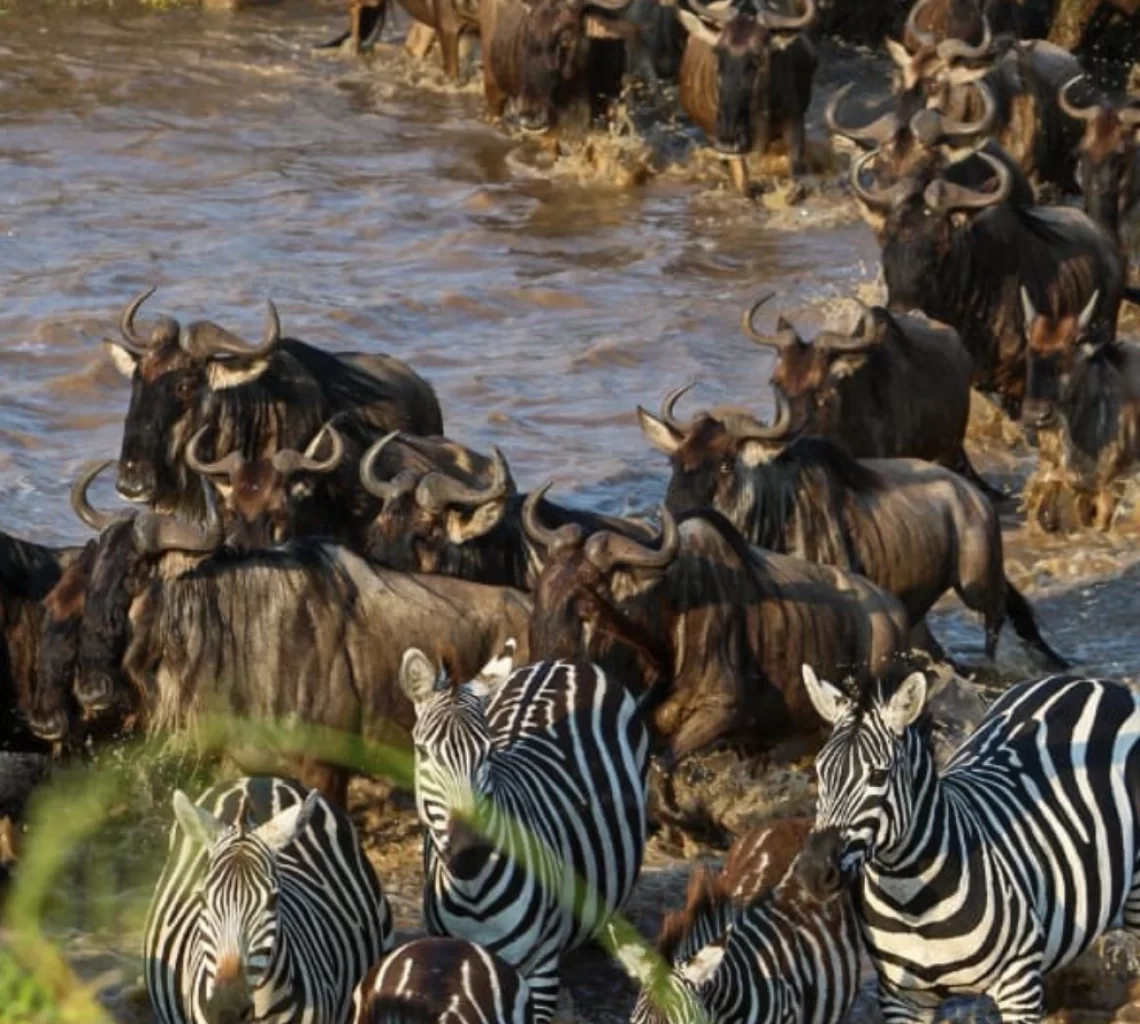
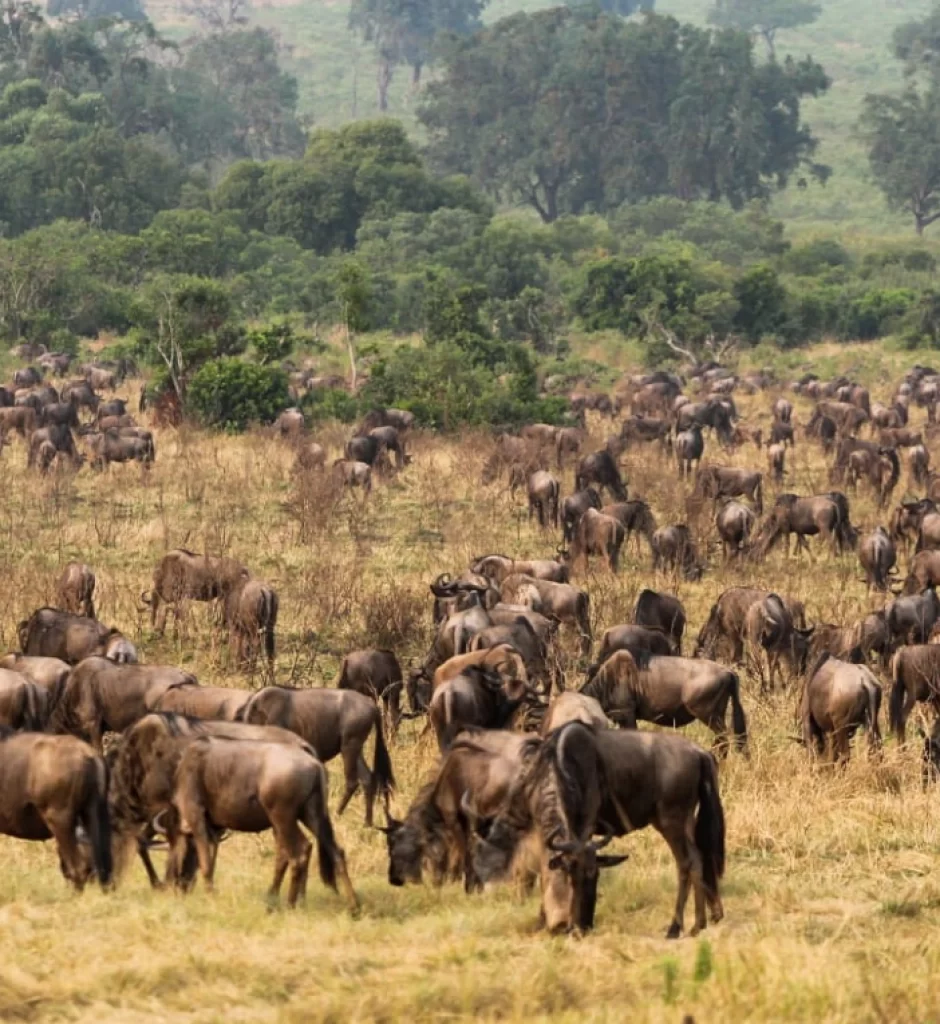
The Great Migration is one of nature’s most incredible spectacles — over 1.5 million wildebeest, accompanied by zebras and gazelles, moving in a never-ending cycle across the Serengeti (Tanzania) and Masai Mara (Kenya).
24/7 Movement: The migration is not a single event; it happens year-round. The herds are always on the move, driven by rainfall and fresh grazing.
Masai Mara Myth: Many believe the migration is only visible in Kenya’s Masai Mara, but that’s not true. If you miss it there, you can still catch it in Tanzania as the herds cross back into the Serengeti.
Seasonal Highlights:
January – March: Calving season in Southern Serengeti — over 500,000 wildebeest calves are born, attracting predators.
June – July: Grumeti River crossings in Western Serengeti — thrilling scenes as wildebeest brave crocodile-filled waters.
July – October: Iconic Mara River crossings in the Masai Mara — dramatic and world-famous.
November – December: Herds return south into the Serengeti, completing the cycle.
In short: Wherever you are, whenever you go — you can witness part of the migration. The key is being in the right place at the right time.